Understanding Urinalysis Results
A urinalysis (UA) is a routine laboratory test that analyzes a urine sample for physical, chemical, and microscopic properties. It is one of the most commonly ordered tests in medicine and provides information about
Written By: DocAi Health Editorial Team
Last Updated: 2026-07-15
Medically Reviewed By: DocAi Health Medical Review Team
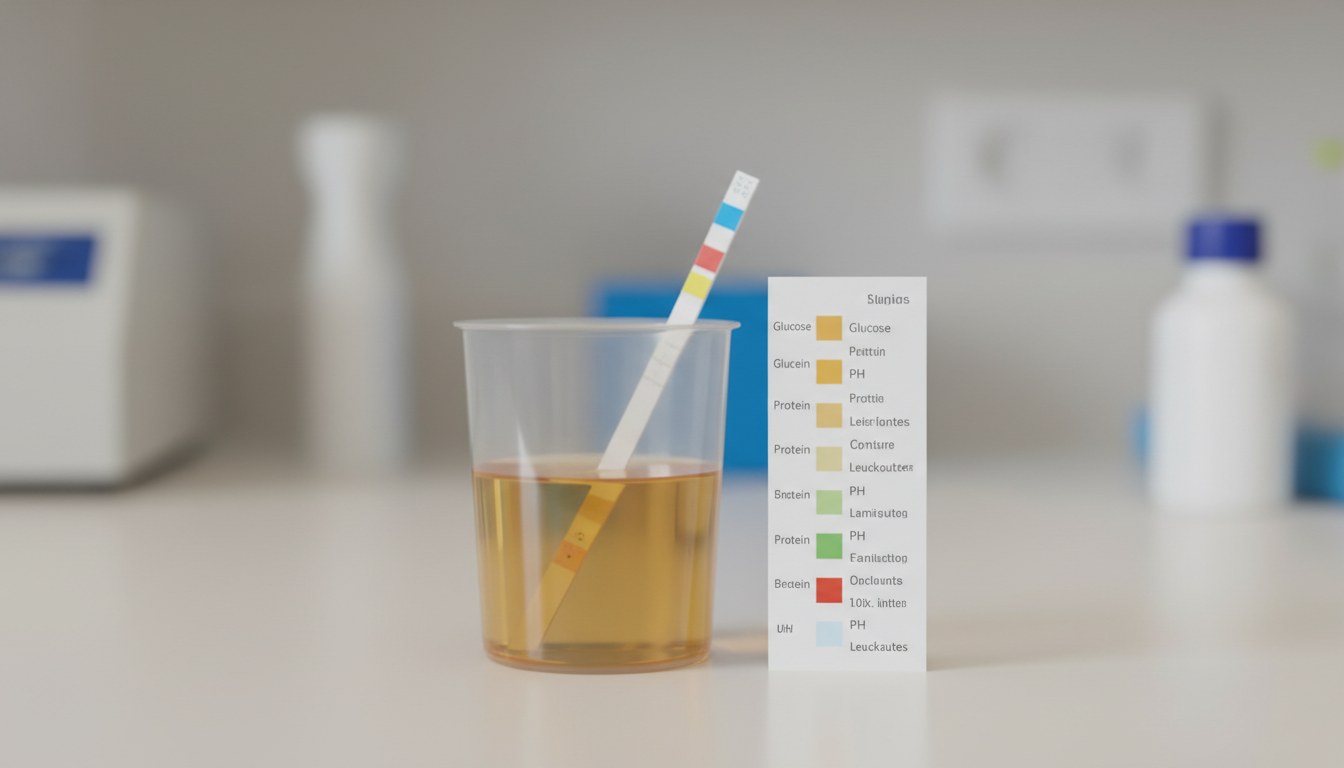
A urinalysis (UA) is a routine laboratory test that analyzes a urine sample for physical, chemical, and microscopic properties. It is one of the most commonly ordered tests in medicine and provides information about kidney health, hydration status, metabolic diseases, and urinary tract infections. Understanding each component of a urinalysis result helps you have more informed conversations with your healthcare provider about what the findings mean.
Components of a Urinalysis
Color and Appearance
Normal: Pale to dark yellow; clear.
Abnormal findings: Dark yellow or amber, concentrated urine from dehydration. Cloudy, may indicate infection (white blood cells, bacteria) or crystals. Red or pink, blood in urine (hematuria); also can be caused by beets, certain medications, or foods. Brown or tea-colored, can indicate liver disease, rhabdomyolysis (myoglobin), or severe dehydration.
Specific Gravity
What it measures: The concentration of the urine, how much dissolved material is present relative to pure water. Normal range: 1.005-1.030.
Abnormal findings: Very low (1.001-1.003): very dilute urine, seen with excessive water intake, diabetes insipidus, or certain kidney conditions. Very high (>1.030): highly concentrated urine, seen with dehydration, SIADH, or protein loss.
pH
What it measures: The acidity or alkalinity of the urine. Normal range: 4.5-8.0 (average ~6.0).
Abnormal findings: Very acidic pH can promote certain kidney stone types (uric acid). Very alkaline pH can promote other stone types (calcium phosphate) or may indicate a urinary tract infection with urea-splitting bacteria.
Protein
What it measures: Healthy kidneys keep almost all protein out of the urine. Protein in the urine (proteinuria) is a key marker of kidney damage.
Normal: Absent or trace (0-8 mg/dL on a dipstick; up to 150 mg/day).
Abnormal findings: Persistent proteinuria is a hallmark of kidney disease, particularly diabetic nephropathy, hypertensive kidney disease, or glomerulonephritis. Transient proteinuria can occur after intense exercise, fever, or prolonged standing (orthostatic proteinuria) and is generally benign. Significant proteinuria (especially in the "nephrotic range," above 3.5 g/day) requires specialized kidney evaluation.
Next steps: A single positive dipstick for protein should be confirmed with a morning urine sample for the albumin-to-creatinine ratio (ACR), which quantifies protein loss more accurately.
Glucose
What it measures: Normally, glucose does not appear in the urine because kidneys reabsorb all filtered glucose. Glucose in urine (glucosuria) appears when blood glucose exceeds the kidney's reabsorption threshold.
Normal: Absent.
Abnormal findings: Glucosuria most commonly indicates blood glucose above approximately 180 mg/dL, suggesting uncontrolled diabetes or newly diagnosed diabetes. Rare renal glycosuria occurs when the kidney's threshold is abnormally low (familial) despite normal blood glucose.
Next steps: Glucose in the urine should prompt a fasting blood glucose and A1C to evaluate for diabetes.
Ketones
What it measures: Ketones are byproducts of fat metabolism, appearing in the urine when the body burns fat for fuel instead of glucose.
Normal: Absent or trace.
Abnormal findings: Ketonuria occurs with prolonged fasting, very low carbohydrate diets, or starvation. In a person with diabetes, significant ketonuria may indicate diabetic ketoacidosis (DKA), a life-threatening medical emergency. DKA can develop quickly and progress to coma. If you have diabetes and test positive for moderate-to-large ketones, especially with vomiting, abdominal pain, rapid or labored breathing, fruity-smelling breath, confusion, extreme thirst, or inability to keep fluids down, call 911 or go to the emergency room immediately. Do not wait for a routine appointment.
Blood (Hematuria)
What it measures: Red blood cells in the urine, detectable by dipstick (chemical) or microscopy.
Normal: Absent or 0-2 RBCs per high-power field on microscopy.
Abnormal findings: Visible blood (gross hematuria), always warrants evaluation regardless of age. Microscopic hematuria (detected on dipstick or microscopy, invisible to the eye), common causes include urinary tract infection, kidney stones, trauma, vigorous exercise, and less commonly kidney disease, bladder cancer, or prostate conditions. The cause significantly changes with age and sex, in adults over 50, unexplained hematuria always requires urological evaluation to exclude bladder and kidney cancers.
Leukocyte Esterase and Nitrites
What they measure: Markers of urinary tract infection. Leukocyte esterase indicates white blood cells (pus) in the urine. Nitrites indicate the presence of bacteria that convert urinary nitrates to nitrites (gram-negative bacteria).
Normal: Absent.
Abnormal findings: Positive leukocyte esterase with positive nitrites in the context of UTI symptoms strongly indicates a bacterial urinary tract infection. Positive leukocyte esterase without nitrites may indicate a UTI with nitrite-negative bacteria, or contaminated specimen. Microscopy (white blood cells per high-power field) confirms findings.
When to Seek Medical Care
Emergency, call 911 or go to the emergency room immediately: If you have diabetes and your urine tests positive for moderate-to-large ketones, especially together with vomiting, abdominal pain, rapid or labored breathing, fruity-smelling breath, confusion or decreased alertness, extreme thirst, or inability to keep fluids down, this can be diabetic ketoacidosis (DKA). DKA is a life-threatening emergency that can develop quickly and progress to coma. Do not wait for a routine appointment.
See a doctor soon (schedule an appointment): Discuss any other urinalysis abnormality with a provider. Seek prompt evaluation for: blood in urine (especially in adults over 50); significant protein on a confirmed, non-concentrated morning urine sample; glucose in the urine (warrants diabetes evaluation); or signs of UTI (pyuria, positive nitrites) with urinary symptoms. If gross (visible) blood in the urine is accompanied by heavy or persistent bleeding, an inability to urinate, or dizziness/fainting, treat this as an emergency and go to the ER instead of waiting for an appointment.
Frequently Asked Questions
What does trace protein in urine mean?
A trace amount of protein on a single dipstick reading can be normal or may result from factors like dehydration, vigorous exercise, or prolonged standing. Persistent protein on a confirmed morning urine test is more significant and warrants quantification with an albumin-to-creatinine ratio and evaluation for kidney disease.
Can a UTI cause blood in urine?
Yes. Urinary tract infections are one of the most common causes of microscopic or gross hematuria. The inflammation and infection damage the bladder lining, causing small amounts of blood to enter the urine. Blood from a UTI typically resolves after antibiotic treatment.
Why is glucose in the urine a concern?
Glucose in the urine typically means blood glucose has exceeded the kidney's reabsorption capacity, usually above 180 mg/dL. This is a strong signal to test for diabetes (fasting glucose, A1C), since chronic hyperglycemia causes significant long-term organ damage.
Is it normal to have ketones in urine after fasting?
Mild ketonuria can be normal after prolonged fasting or overnight. In non-diabetic individuals who are fasting, trace ketones are not concerning. However, significant ketonuria in a person with type 1 diabetes, especially with illness, vomiting, or rapid/labored breathing, can signal diabetic ketoacidosis (DKA), a medical emergency. Call 911 or go to the emergency room immediately rather than waiting for a routine visit.
What can contaminate a urine sample?
Urine samples can be contaminated by genital secretions, skin bacteria, or inadequate collection technique. A clean-catch midstream specimen (with proper cleaning of the genital area before collecting) is the standard to minimize contamination. A contaminated sample may falsely show white blood cells, bacteria, or squamous epithelial cells.
Related Articles:
High Creatinine: What It Means for Kidney Function |
High Fasting Blood Glucose |
Type 2 Diabetes: Overview, Causes, and Management |
Causes of Lower Back Pain
Sources
- MedlinePlus (National Library of Medicine, NIH): Urinalysis.
- Mayo Clinic: Urinalysis, what it measures.
- National Institute of Diabetes and Digestive and Kidney Diseases (NIH): Kidney disease testing.
- American Urological Association: Hematuria guidelines.
- Centers for Disease Control and Prevention (CDC): Urinary tract infections.