Hypertension (High Blood Pressure): Causes, Risks, and Treatment
Hypertension, persistently elevated blood pressure, affects approximately 47% of adults in the United States and is one of the leading modifiable risk factors for heart attack, stroke, heart failure, and kidney disease.
Written By: DocAi Health Editorial Team
Last Updated: 2026-07-15
Medically Reviewed By: DocAi Health Medical Review Team
Hypertension, persistently elevated blood pressure, affects approximately 47% of adults in the United States and is one of the leading modifiable risk factors for heart attack, stroke, heart failure, and kidney disease. It is often called "the silent killer" because it typically causes no symptoms for years while progressively damaging the cardiovascular system. Understanding blood pressure numbers, what causes them to rise, and how to bring them down effectively can significantly reduce the risk of serious outcomes.
Understanding Blood Pressure Numbers
Blood pressure is measured as two numbers: systolic (the higher number, pressure when the heart contracts) over diastolic (the lower number, pressure when the heart is at rest between beats). The unit is millimeters of mercury (mmHg).
| Category | Systolic | Diastolic | |
|---|---|---|---|
| Normal | <120 mmHg | and | <80 mmHg |
| Elevated | 120-129 mmHg | and | <80 mmHg |
| Stage 1 Hypertension | 130-139 mmHg | or | 80-89 mmHg |
| Stage 2 Hypertension | ≥140 mmHg | or | ≥90 mmHg |
| Hypertensive Crisis | >180 mmHg | and/or | >120 mmHg |
(Based on the 2017 ACC/AHA guidelines, which lowered the Stage 1 threshold from 140/90 to 130/80.)
Causes of Hypertension
Primary (Essential) Hypertension, 90-95% of Cases
Most hypertension has no single identifiable cause, it develops through a complex interaction of genetic susceptibility and lifestyle factors over time. Key contributing factors:
- Excess sodium intake: Sodium causes fluid retention, expanding blood volume and increasing pressure. Average American sodium intake (3,400 mg/day) substantially exceeds the 2,300 mg/day guideline target. High sodium sensitivity is more common in Black adults, older adults, and those with diabetes or kidney disease.
- Obesity: Excess body weight increases cardiac output and activates the renin-angiotensin-aldosterone system (RAAS), raising blood pressure. Even modest weight loss (5-10 lbs) lowers blood pressure meaningfully.
- Physical inactivity: Regular aerobic exercise reduces resting blood pressure by 5-8 mmHg through improved arterial flexibility, reduced sympathetic nervous system activity, and better metabolic health.
- Alcohol: Regular heavy alcohol consumption raises blood pressure. The relationship is dose-dependent.
- Aging: Arteries naturally stiffen with age, increasing systolic blood pressure. Isolated systolic hypertension (high systolic with normal diastolic) becomes increasingly common over age 65.
- Genetics: Hypertension runs strongly in families, having a parent or sibling with hypertension significantly increases risk.
- Psychological stress: Chronic stress activates the sympathetic nervous system and hormonal stress responses that raise blood pressure. The effect is most significant with chronic stress rather than acute stress.
Secondary Hypertension, 5-10% of Cases
Some hypertension has an identifiable, treatable underlying cause:
- Primary aldosteronism: Overproduction of aldosterone (a hormone causing sodium retention), the most common secondary cause, affecting up to 10% of hypertensive patients
- Renal artery stenosis: Narrowing of the arteries supplying the kidneys, activating RAAS
- Sleep apnea: Repeated oxygen drops during sleep strongly drive hypertension
- Thyroid disease: Both hypothyroidism and hyperthyroidism can cause hypertension
- Medications: NSAIDs, oral contraceptives, stimulants, decongestants, and many others raise blood pressure
- Pheochromocytoma: A rare adrenal tumor causing adrenaline overproduction
When to Seek Medical Care
Hypertensive Crisis: When to Seek Care
Emergency, call 911 or go to the emergency room immediately if your blood pressure reads above 180/120 mmHg together with any of the following:
- Severe or sudden chest pain
- Shortness of breath at rest
- Sudden severe headache (unlike any you've had before)
- Vision changes
- One-sided weakness, numbness, or slurred speech (possible stroke)
- Fainting or loss of consciousness
- Confusion
- Severe back pain
This combination can signal a hypertensive emergency, which can cause stroke, heart attack, or organ damage within hours. Do not wait or try to lower your blood pressure at home first, call 911 or go to the ER right away.
See a doctor soon (same day) if:
- Blood pressure reads above 180/120 mmHg but you have none of the symptoms above (a "hypertensive urgency"), contact your provider or an urgent care clinic the same day; this is not a 911 emergency, but it does need prompt attention.
- You have milder symptoms like headache, dizziness, or nosebleeds along with a high reading
- You accidentally took an extra dose of blood pressure medication and now feel very lightheaded, faint, or unusually weak, call Poison Control at 1-800-222-1222 (US), or go to the ER if symptoms are severe
Why High Blood Pressure Is Dangerous
Chronically elevated pressure damages arterial walls, promoting atherosclerosis (plaque buildup), weakening vessel walls (aneurysm risk), and forcing the heart to work harder (leading to left ventricular hypertrophy and eventual heart failure). The consequences include:
- Stroke (hypertension is the leading risk factor)
- Heart attack and coronary artery disease
- Heart failure
- Chronic kidney disease (damaged glomerular vessels)
- Hypertensive retinopathy (vision damage)
- Erectile dysfunction
Lifestyle Changes That Lower Blood Pressure
Lifestyle modifications can reduce blood pressure by 4-11 mmHg through several approaches:
- DASH diet: Rich in fruits, vegetables, whole grains, and low-fat dairy; reduced saturated fat and sodium. Can reduce systolic BP by 8-14 mmHg.
- Sodium reduction: Reducing to <2,300 mg/day can lower systolic by 2-8 mmHg.
- Aerobic exercise: 90-150 min/week of moderate-intensity exercise reduces systolic by 5-8 mmHg.
- Weight loss: Each kg of body weight lost reduces systolic by approximately 1 mmHg.
- Alcohol limitation: ≤2 drinks/day for men, ≤1 for women.
- Smoking cessation: Each cigarette causes a transient BP spike; long-term cessation reduces overall cardiovascular risk substantially.
Medications for Hypertension
For Stage 1 hypertension with low cardiovascular risk, lifestyle changes alone are tried first for 3-6 months. For Stage 2 or high cardiovascular risk, medication is started simultaneously with lifestyle changes. First-line medication classes:
- ACE inhibitors (lisinopril, enalapril), preferred in diabetics and those with kidney disease
- ARBs (losartan, valsartan), ACE inhibitor alternative without the cough
- Calcium channel blockers (amlodipine), effective in older adults and African American patients
- Thiazide diuretics (hydrochlorothiazide, chlorthalidone), particularly effective for isolated systolic hypertension in older adults
Most people with Stage 2 hypertension require two or more medications for adequate control.
Frequently Asked Questions
Can hypertension be cured?
Primary hypertension is generally not curable but is controllable. For some people, significant lifestyle changes, particularly weight loss, can lower blood pressure enough that medication is no longer needed. Secondary hypertension from an identifiable cause (like aldosteronism or sleep apnea) may be cured by treating the underlying cause.
Does hypertension cause symptoms?
In most cases, hypertension causes no noticeable symptoms, hence "silent killer." Some people report headaches, nosebleeds, or dizziness with high blood pressure, but these are not reliable indicators. The only way to know your blood pressure is to measure it. Severe hypertension (hypertensive crisis) can cause headache, vision changes, and other symptoms.
How often should I check my blood pressure at home?
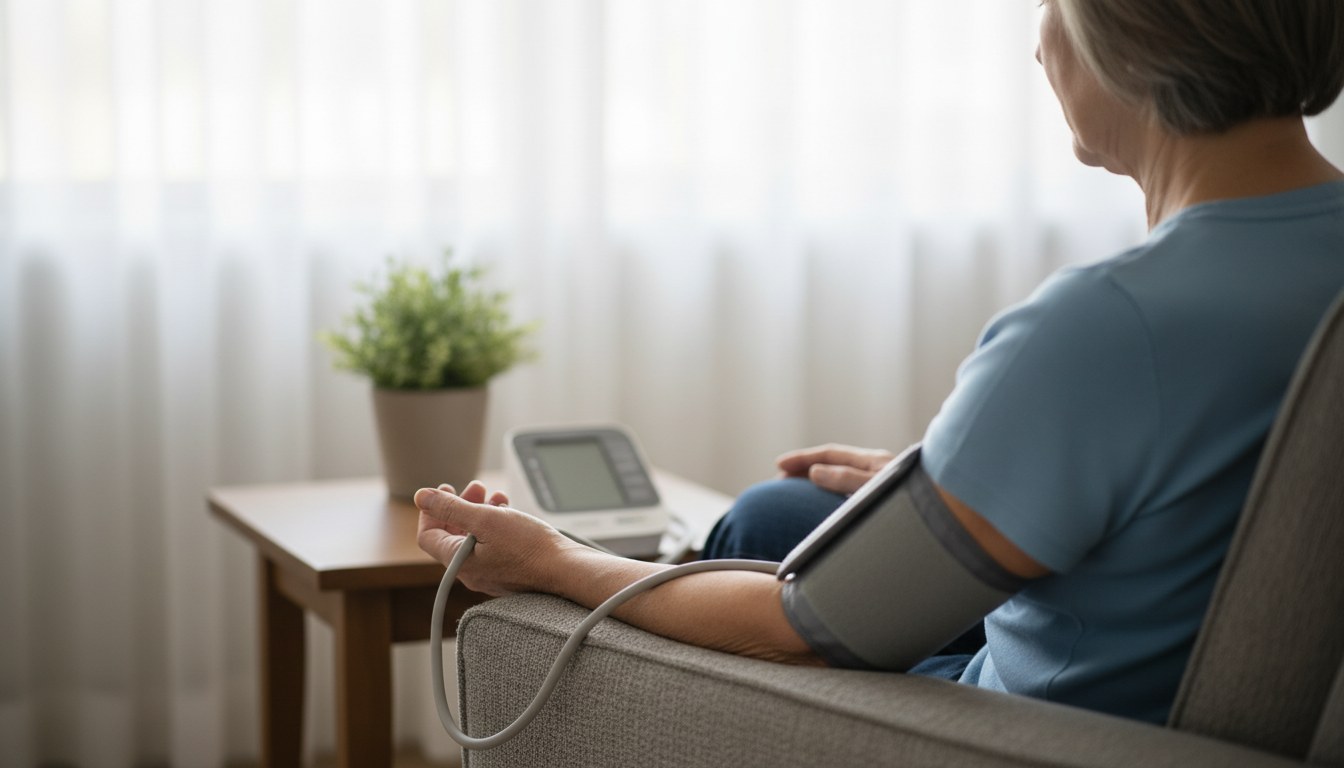
For people with diagnosed hypertension or newly starting medication, daily morning and evening readings for 2 weeks, then sharing the log with your provider, gives a better picture than a single office reading. Home monitors are accurate if properly validated (look for devices validated against professional standards). Upper arm monitors are more accurate than wrist monitors.
White coat hypertension, is it real?
Yes. White coat hypertension (blood pressure that is elevated only in a medical office setting) is a genuine phenomenon affecting 15-30% of people diagnosed with hypertension. Home blood pressure monitoring or 24-hour ambulatory blood pressure monitoring can distinguish true hypertension from white coat hypertension. People with white coat hypertension may still have elevated cardiovascular risk and are often monitored closely.
Can I stop my blood pressure medication if readings are normal?
Normal readings while on medication usually mean the medication is working, not that hypertension is cured. Stopping medication typically causes blood pressure to return to its previous elevated level. Always discuss stopping or changing blood pressure medication with your provider before doing so.
Related Articles:
Lisinopril: ACE Inhibitor Guide |
Amlodipine: Calcium Channel Blocker Guide |
Causes of Dizziness |
Type 2 Diabetes
Sources
- CDC: High blood pressure facts and statistics. cdc.gov/bloodpressure
- National Heart, Lung, and Blood Institute (NIH): High blood pressure overview.
- American College of Cardiology/American Heart Association: 2017 ACC/AHA hypertension guidelines.
- Mayo Clinic: High blood pressure, symptoms, causes, and treatment.
- MedlinePlus (National Library of Medicine, NIH): Hypertension.