Causes of Lower Back Pain
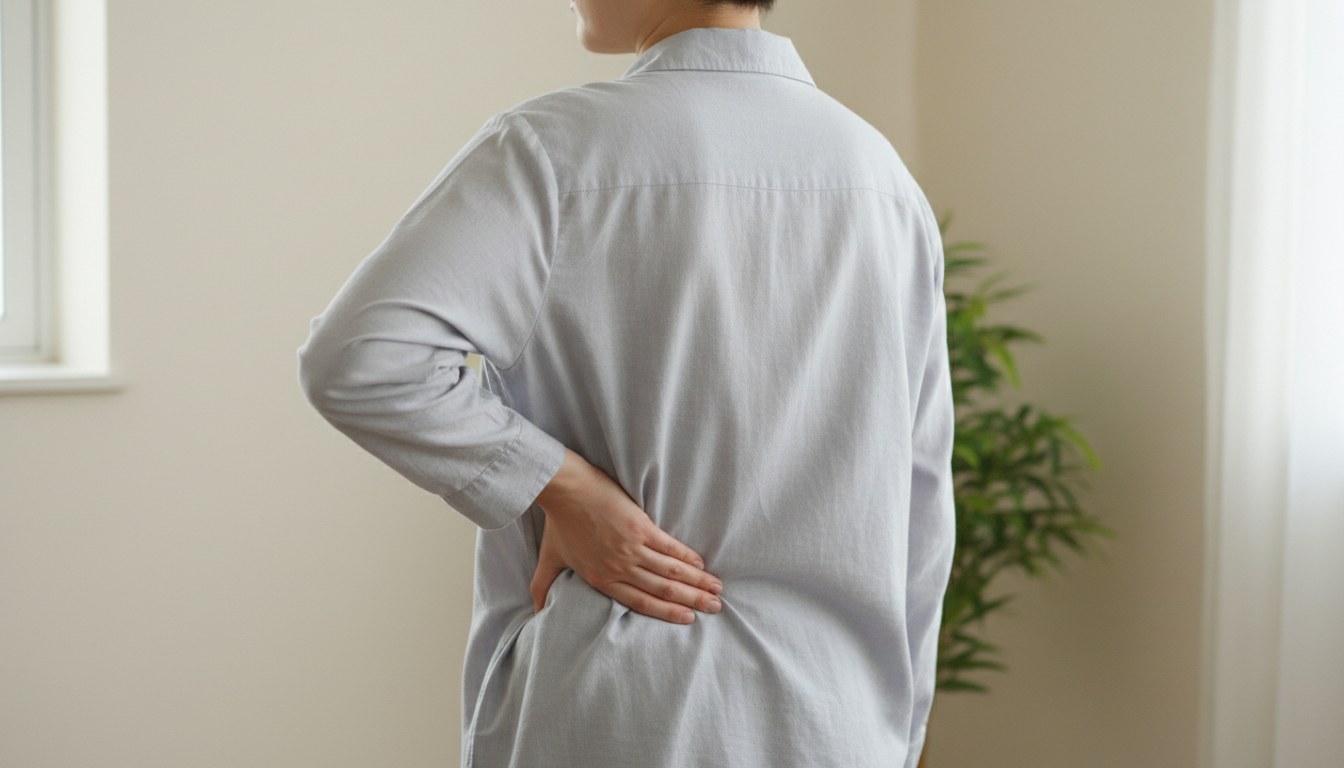
Lower back pain is one of the most prevalent health complaints worldwide, it's estimated that up to 80% of people will experience significant lower back pain at some point in their lives.
Written By: DocAi Health Editorial Team
Last Updated: 2026-07-15
Medically Reviewed By: DocAi Health Medical Review Team
Lower back pain is one of the most prevalent health complaints worldwide, it's estimated that up to 80% of people will experience significant lower back pain at some point in their lives. It is a leading cause of missed workdays and disability. While most episodes are benign and resolve within a few weeks with conservative care, understanding the underlying cause helps guide appropriate treatment and identify the small percentage of cases that need more urgent attention.
1. Muscle Strain and Ligament Sprain
What it is: The most common cause of acute lower back pain, overstretching or tearing of muscles or ligaments in the lower back.
Why it happens: Heavy lifting, sudden awkward movements, poor posture over time, or sports injuries can all strain the muscles and ligaments supporting the spine. The surrounding muscles may go into spasm, amplifying the pain.
Common symptoms: Sudden onset of dull or sharp lower back pain after exertion or lifting; muscle spasms that worsen with movement; stiffness; pain that usually improves with rest and worsens with activity; no leg pain or numbness in most cases.
Risk factors: Sedentary lifestyle, poor core strength, overweight, repetitive heavy lifting, sudden increase in physical activity.
When to seek evaluation: Most acute muscle strains improve within 2-6 weeks with rest, gentle activity, heat, and over-the-counter pain relief. If pain is severe, persists beyond 4-6 weeks, or is accompanied by leg symptoms, see a provider.
2. Herniated Disc (Slipped Disc)
What it is: A rupture of the outer layer of an intervertebral disc, allowing the inner gel-like material to bulge or extrude, potentially pressing on nearby spinal nerves.
Why it happens: Discs naturally lose water content and become less flexible with age. Under stress (heavy lifting, twisting, or gradual degeneration), the outer ring can crack and the inner nucleus can push through, pressing on a nearby nerve root.
Common symptoms: Lower back pain, often with pain, numbness, tingling, or weakness radiating down one leg (sciatica) along the nerve root path; pain may worsen with sitting, coughing, or sneezing; may improve with walking or changing positions.
Risk factors: Age 30-50, occupations involving heavy lifting or prolonged sitting, obesity, sedentary lifestyle, smoking (impairs disc nutrition).
When to seek evaluation: Radiating leg pain (sciatica) with numbness or weakness warrants evaluation. New loss of bladder or bowel control, numbness in the groin or inner thighs, or rapidly worsening leg weakness can signal cauda equina syndrome, a surgical emergency, call 911 or go to the emergency room immediately.
3. Sciatica
What it is: Pain that travels along the path of the sciatic nerve, from the lower back through the buttock and down the back of the leg to the foot.
Why it happens: Sciatica is a symptom, not a diagnosis itself. It results from compression or irritation of the sciatic nerve root, most commonly by a herniated disc, bone spur, or narrowing of the spinal canal (spinal stenosis).
Common symptoms: Sharp, burning, or shooting pain from the lower back through the buttock and down one leg; tingling or numbness along the leg; weakness in the leg or foot; pain usually affects only one side; worsened by sitting for prolonged periods.
Risk factors: Herniated disc, spinal stenosis, obesity, prolonged sitting, diabetes (can affect nerves).
When to seek evaluation: Mild sciatica often improves with conservative management (physical therapy, anti-inflammatories). See a doctor soon for rapid worsening or new bilateral leg symptoms. Any loss of bladder or bowel control is a possible sign of cauda equina syndrome, call 911 or go to the emergency room immediately.
4. Degenerative Disc Disease
What it is: Normal age-related changes to spinal discs, loss of hydration, height, and elasticity, that can cause chronic low-grade lower back pain and stiffness.
Why it happens: Discs begin to dry out and shrink starting in early adulthood. Over decades, this degeneration can cause the vertebrae to compress closer together, irritate facet joints, and reduce the spine's ability to absorb shock.
Common symptoms: Chronic lower back pain and stiffness; worse with bending and sitting for long periods; may improve with movement; occasional flares of more intense pain.
Risk factors: Age, smoking, obesity, sedentary lifestyle, prior back injuries.
When to seek evaluation: Chronic back pain that is limiting activity and not responding to self-care should be evaluated for appropriate management, including physical therapy, targeted exercises, or other interventions.
5. Spinal Stenosis
What it is: Narrowing of the spinal canal or the openings through which nerve roots exit the spine, compressing the spinal cord or nerve roots.
Why it happens: Usually a consequence of age-related degenerative changes, bone spurs, thickened ligaments, and enlarged facet joints gradually narrow the available space for the spinal cord and nerves.
Common symptoms: Lower back pain and leg pain, weakness, or cramping that worsens with walking or standing and is relieved by sitting or leaning forward (the "shopping cart sign"); most common in people over 50.
Risk factors: Age over 50, prior back injuries or surgery, osteoarthritis of the spine.
When to seek evaluation: Progressive leg weakness or cramping with walking warrants evaluation. MRI confirms the diagnosis. Treatment ranges from physical therapy and injections to surgery in advanced cases.
6. Kidney Infection or Kidney Stones
What it is: Pain originating in the kidneys (which are located in the back, below the rib cage) that is sometimes mistaken for musculoskeletal back pain.
Why it happens: Kidney infections (pyelonephritis) cause pain, fever, and urinary symptoms. Kidney stones cause severe, cramp-like flank pain that often radiates around to the lower abdomen or groin.
Common symptoms: Kidney infection: lower back or flank pain with fever, chills, painful urination, and cloudy urine. Kidney stones: severe, cramping flank pain that comes in waves, often with blood in the urine, nausea, and urinary urgency.
Risk factors: Kidney infections, urinary tract infections, female sex, catheter use. Kidney stones, dehydration, high-purine diet, family history, certain metabolic conditions.
When to seek evaluation: Back pain with fever and urinary symptoms, or severe cramping flank pain, should be evaluated promptly to distinguish kidney issues from musculoskeletal back pain.
When to Seek Medical Care
Emergency, Call 911 or Go to the ER Immediately
- New loss of bladder or bowel control, or numbness in the groin/inner thighs/saddle area (possible cauda equina syndrome, a surgical emergency)
- Rapidly worsening or new weakness in one or both legs, or difficulty walking
- Sudden, severe, "tearing" back or abdominal pain along with chest pain, fainting, or shortness of breath (possible aortic aneurysm or dissection)
- Back pain following major trauma (a fall from height, a car accident, or a direct blow) especially if you cannot move a leg or have new numbness
See a Doctor Soon (Non-Emergency Red Flags)
- Back pain with fever and unintentional weight loss (possible infection or cancer)
- Gradual, mild leg weakness or numbness that is not rapidly worsening
- Back pain in a person with a known history of cancer
- Back pain that is constant, worsening, and not relieved by rest or changing position
- Back pain with fever, chills, or urinary symptoms suggesting a kidney infection
Frequently Asked Questions
Should I rest or stay active with lower back pain?
Current evidence favors staying as active as possible within pain limits for most acute back pain. Complete bed rest is no longer recommended, as it can prolong recovery. Gentle walking and gradually increasing activity typically speeds recovery better than rest alone.
How do I know if my lower back pain is serious?
Most lower back pain is not an emergency. But new loss of bladder or bowel control, numbness in the groin or inner thighs, or rapidly worsening leg weakness can signal cauda equina syndrome, call 911 or go to the emergency room immediately. Less urgent red flags that still warrant seeing a doctor soon include back pain with fever and unintentional weight loss, back pain following trauma, or pain that is constant and worsens at night regardless of position.
What is the difference between lower back pain and sciatica?
Lower back pain is localized to the back. Sciatica refers specifically to pain (and often numbness or tingling) that radiates down one leg from the lower back through the buttock, following the path of the sciatic nerve. Many people with disc problems have both.
Can poor posture cause lower back pain?
Yes. Prolonged sitting, forward head posture, and slouching all create abnormal loading on the lumbar spine over time. Ergonomic improvements, core strengthening, and posture awareness can all help reduce back pain caused by postural stress.
When is surgery needed for lower back pain?
The large majority of lower back pain does not require surgery. Surgery is typically considered only after conservative treatments have failed over several months, and only for specific diagnoses (large herniated disc with significant neurological deficits, severe spinal stenosis, or spinal instability) where the anatomy is causing documented nerve compression.
Related Articles:
Causes of Joint Pain |
Osteoarthritis: Overview, Causes, and Management |
Causes of Numbness and Tingling in Hands and Feet |
Causes of Fatigue
Sources
- National Institute of Neurological Disorders and Stroke (NIH): Low back pain fact sheet.
- MedlinePlus (National Library of Medicine, NIH): Low back pain.
- Mayo Clinic: Back pain, causes and self-care.
- American Academy of Orthopaedic Surgeons: Herniated disc and spinal stenosis.
- Centers for Disease Control and Prevention (CDC): Back pain statistics.